


Definition of Mantra Meaning The term “mantra” refers to an individual phrase, word or sound. People usually chant or repeat it during meditation and meditation. You can also use it for self-reflection.
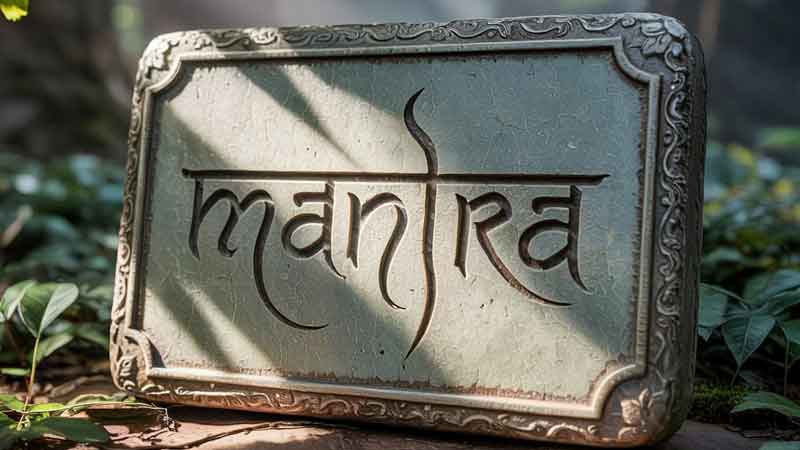
The term comes from the Sanskrit words “man,” meaning mind, and “tra,” meaning tool. Therefore, a mantra is an “tool for the mind” or an “instrument for thought.” Its main purpose is to help focus the mind, create calm, and connect to higher spiritual states.
Table of Contents
Mantra Meaning in English
Mantras originated in the early days of India. Different religions and cultures have used them.
These days, people are using mantras across the world to aid in meditation, mindfulness and personal motivation. Yoga classes, therapeutic methods practice, self-improvement and even daily affirmations typically incorporate mantras. To understand a mantra, you need to know where it comes from. You should also understand its importance in culture and how people use it today.
What is Mantra
A person repeats a mantra, which is a word or sound. It helps with meditation, spiritual practice, and focus. The word comes from the Sanskrit roots:
Spell Mantra
- “Man” = mind
- “Tra” = instrument or tool
Mantras are tools for the mind. They can help you calm your thoughts, gain clarity, and reach a higher state of being.
What is meant by mantra
An mantra is an “tool for the mind.” A phrase or sound is repeated. This can help you concentrate when you meditate or do spiritual exercises.
What does the word mantra mean
A lot of people see “Montra” as a misspelling of ” mantra.” In certain instances people make use of it for names or branding, such as bicycles or even companies. But, it does not have the same meaning of meditation or spirituality.
Mantra Function and Purpose
In the past, mantras played multiple purposes:
- Ritualistic The chanting is performed during Yajnas (sacrifices) and rituals to commune with the divine forces.
- People use it in meditation to attain focus, calm, or spiritual awakening.
- Healing and security protect against life’s negative forces. They also help improve mental and physical health.
- Memoronics: Aids in memorization of sacred texts. repetition helps to reinforce learning.
Mantras could be:
- Sanskrit sounds like “Om”, “So Hum”, or “Om Namah Shivaya”
- Affirmations to yourself such as “I am peaceful” or “I am enough”
- Holy words employed in worship or devotional practices
They may be chanted loudly (japa) or whispered or recited silently within the mind. Different traditions like Hinduism, Buddhism, and yoga use mantras in different ways. However, the purpose is the same: to calm the mind and open the heart.
Historical Background and Importance of Mantras
The mantra tradition has existed for thousands of years. It is mainly linked to Hinduism, Buddhism, and later Jainism.
They first came into existence in the early Vedic literature of India written between 1500 to 1200 BCE. These texts are considered sacred. They make use of mantras to honor the gods, summon spiritual energy, and communicate universal truths.
The most famous songs of the modern era includes one of them, the Gayatri Mantra, a sacred phrase taken from Rigveda. Many believe it is a universal prayer seeking divine illumination, spiritual wisdom and guidance from God. The mantra in english recited Sanskrit mantra like this:
“Om bhur bhuvah svah Tat savitur varenyam Bhargo devasya dhimahi Dhiyo yo nah prachodayat.”
“ॐ भूर्भुवः स्वः तत्सवितुर्वरेण्यं भर्गो देवस्य धीमहि धियो यो नः प्रचोदयात्”
The translation of the word is: “We reflect on the divine light of the creator who directs our intellect.”
In Buddhism and other religions the mantras play an important part in both devotional and meditation. Some well-known Buddhist songs include Om Mani Padme Hum. This song connects to Avalokiteshvara, the bodhisattva of compassion.
This mantra comes from Tibetan traditions. It symbolizes the cleansing of negative energies. It also promotes compassion, love, and wisdom.
In the past, people saw mantras as more than religious tools. They viewed them as a scientific study of sound and vibration.
The ancients thought these mantras showed universal energies. They believed these energies helped create harmony in the body and mind. In their philosophical view, they saw mantras as ways to connect the physical and spiritual realms.
Origins in Ancient India
Mantras have origins that go back to the Vedic tradition of India and go back three thousand years:
- Vedas (c. 1500–500 BCE): The Rigveda contains the first mentions of mantras. This text is one of the oldest sacred writings. People used them in rituals and sacrifices to invoke gods or natural forces, as well as cosmic harmony.
- Sanskrit language: Sanskrit is a language of the Vedic period. Scholars believe that Vedic mantras, written in Sanskrit, use a highly vibrational language. Many believed that the sound itself, not only its significance, had the power.
Types of Mantras
In the past, mantras were classified in accordance with their function:
- Beej (Seed) Mantras: Single-syllable sounds (e.g., “Om”) representing cosmic energy.
- Saguna Mantras Incorporate names of gods (e.g., “Om Namah Shivaya”) and invoke particular godly aspects.
- Nirguna Mantras: abstract sounds that focus on the ultimate reality, which is beyond the form.
- Ritual Mantras: Specific sequences employed in Vedic ceremonies and sacrifices.
The Spiritual and Cultural Importance of Mantra
Mantra meaning spiritual and cultural significance in various cultures around the world. Chants and sacred sounds generally originate directly from South Asia. However, other spiritual practices also rely on these types of chants. Examples:
- Mantras Hinduism: Hinduism believes that mantras are a way to access divine consciousness. Many people believe that every mantra calls upon specific gods’ energy, cosmic energies, or laws.
- For instance, “Om” (Aum) is the most fundamental sound in the universe. Many people see it as the most important mantra. It represents the start of time and the existence of things.
- Mantras Buddhism: Buddhist tradition makes use of mantras as a tool to help focus the mind and create more conscious states. Tibetan monks typically sing mantras while participating in ritual activities, or when they meditate in front of sacred images. “Om Mani Padme Hum” is a sacred mantra in Buddhism.
- Meditative practices throughout the West have become popular as affirmations and motivational tools. Instead of evoking the divine the mantras are usually secular and aim to enhance your personal wellbeing. The phrases like “I am enough” or “I choose calmness” are modern interpretations of the old traditions.
In addition, mantras function as cultural icons, representing profundity and wisdom. Musicians, artists, and writers often use mantra chanting. They include it in music, art, and literature. It serves as a timeless expression of spirituality.
The chant “Om Namah Shivaya” has been the source of many art pieces. People often chant it during modern yoga classes.
The role of Mantras in meditation and mantras as spiritual
Mantras are the mainstay of meditation. Through chanting a mantra whether in loud or silently one can focus their focus. This can help calm their mind and helps bring peace. Here’s how mantras can be employed in spiritual and meditation Today:
1. Fostering Mindfulness
The repetition of a mantra while in meditation can help focus your thoughts. Instead of letting your daily concerns take over your life, you focus your attention on the rhythm and sound of the mantra.
The chanting “Om” during meditation creates resonance. Many people say that the vibrations are relaxing and resonate with their entire being. The practice promotes concentration by keeping one’s mind focused in the present.
2. Creating Spiritual Connection
If you are a follower of faith-based practices the use of mantras is a method to connect with God’s forces. Chanting sacred phrases like “Hare Krishna” in Hinduism or “Namo Amitabha Buddha” in Buddhism shows devotion through sound.
3. Healing and Energy Balance
Many believe that every mantra is a unique sound that help the mind and body. Many people believe that particular mantras help balance chakras or energy centers located within the body. Many believe that chanting helps align these chakras and enhances physical and emotional well-being.
4. Developing Discipline
Mantras require discipline as well to repeat them consistently. Many practitioners use mala beads to count how many times they recite mantras. They often aim for at least 108 recitations. This exercise builds self-control and helps to promote a peaceful lifestyle.
Even in the absence of traditional spiritual practices, people make use of mantras to boost concentration. Sportsmen may repeat motivational words to remain focused. CEOs can use affirmations to keep them in a state of calm and make informed choices.
Modern Applications of Mantras
Mantras have changed significantly and are now a part of the modern wellness and self-care routines. People don’t just use them for religious occasions. Today, people are using these to lessen anxiety, boost confidence and boost confidence all the time. Here are some of the modern methods of applying mantras today:
1. Stress Reduction
Repetition of a mantra, like “peace,” “calm,” or “be here now,” can help ease tension. This method uses repetitive repetition to establish a calm rhythm. It lowers cortisol levels, and also promotes relaxation.
2. Inspiring confidence through affirmations
Many people use mantras for affirmations to shift their thinking. Examples of motivational phrases include:
- “I am strong and capable.”
- “I attract abundance into my life.”
- “I release what no longer serves me.”
These affirmations will alter your thoughts in some time. It can help replace negative thoughts with positive perspectives.
3. Therapeutic Tools
Mantras are frequently used in mental health treatments. Meditation with mantras that are mindful helps reduce the symptoms of depression and anxiety. Through cognitive behavioral therapy (CBT) individuals make use of simple phrases to stimulate their brains more positively.
4. Yoga and Fitness
The inclusion of mantras in yoga routines has gained recognition. Chanting during yoga practice helps improve focus. It helps to make the experience more enjoyable because it combines physical, mental and spiritual components in one.
A lot of yoga classes begin or end by “Om” chanting. This assists in connecting the student in the universe of consciousness.
5. Personalized Mantras for Goal-Setting
Motivational and life coaches frequently stress the importance of designing personal mantras that are tailored to each person’s goals. Example:
- “I will achieve my dreams.”
- “Every small step matters.”
These mantras are powerful reminders of your personal goals that keep people focused and resilient.
6. Professional and work environments
The workplace, stress-inducing phrases are frequently used to increase the effectiveness and concentration of employees. Phrases like “be present” and “success starts here” help professionals stay focused in their busy schedules.
Modern science has proved the traditional method. Studies on mindfulness meditation show clear benefits for the brain. They help with emotional control and reduce anxiety. This highlights the importance of mantras in the present.
Mantra Benefits
The benefits of using mantras are varied and impact both the body and mind. Let’s examine the details of their positive effects.
It is the Mindful Practice of Presence. Mantras help you focus your thoughts and avoid distractions. They keep your attention on the present.
Chanting mantras can help you relax. It may lower your heart rate and ease muscle tension.
Mantras can improve the spiritual side of life and daily activities. Their meaning and purpose can vary.
Final Thoughts on the Power of Mantras
The simplicity of mantras is what shows their beauty. They don’t require elaborate rituals or special skills to gain the benefits of their ability. If you want to grow your spirituality, find clarity, or heal emotionally, you can benefit from this opportunity. All you require is a word, sound or phrase that resonates with you, and a promise to keep it in mind consistently.
You can repeat mantras at the holy site or softly whisper them during an incredibly busy commute. They help us remember the power of words and sound. Mantras can help you relax your mind, and help connect with our souls, and help to create peace in our busy lives.
About the Author


