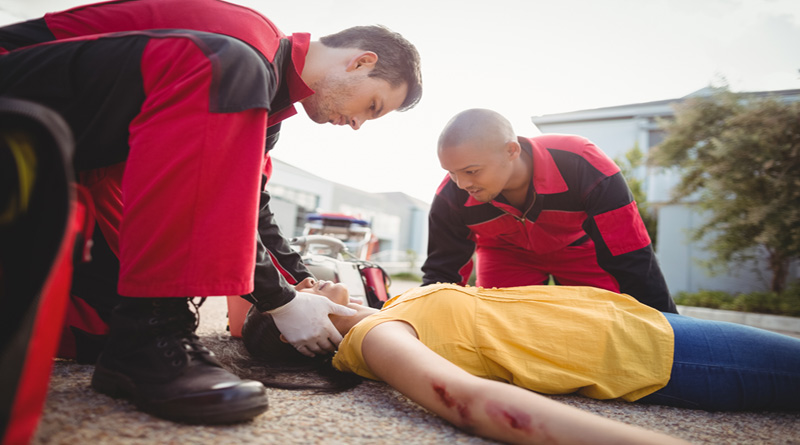
First aid Malaysia awareness is becoming increasingly important as more people recognize the value of emergency preparedness in daily life. From homes and schools to workplaces and public spaces, medical emergencies and accidents can happen without warning. In those critical moments before professional medical help arrives, basic first aid knowledge can save lives, reduce injuries, and prevent situations from becoming worse.
In Malaysia, there is growing attention toward health and safety education, especially in workplaces, educational institutions, and community programs. As society becomes more safety-conscious, first aid is no longer viewed as a skill only for healthcare professionals—it is now considered an essential life skill for everyone.
What Is First Aid?
First aid refers to the immediate assistance given to a person who is injured or suddenly ill before professional medical treatment becomes available. The main goals of first aid are to:
- Preserve life
- Prevent the condition from worsening
- Promote recovery
First aid can involve simple actions such as cleaning and dressing a wound, or more advanced procedures like CPR and AED usage during cardiac emergencies.
In Malaysia, first aid education is commonly offered through certified training centers, healthcare organizations, workplaces, and community programs.
Why First Aid Is Important in Malaysia
Malaysia is a rapidly developing country with busy cities, highways, industrial areas, schools, and recreational spaces. With daily activities comes the possibility of accidents and medical emergencies such as:
- Road traffic accidents
- Workplace injuries
- Choking incidents
- Burns and falls
- Heart attacks and sudden cardiac arrest
In many cases, emergency services may take time to arrive due to traffic congestion or distance. Immediate first aid response can make a significant difference during these situations.
For example:
- Severe bleeding requires urgent control
- CPR can sustain blood circulation during cardiac arrest
- Quick action during choking can prevent suffocation
This is why first aid awareness and training are becoming increasingly valuable across Malaysia.
The Growing Demand for First Aid Training in Malaysia
Many Malaysians are now enrolling in first aid courses for both personal and professional reasons. Employers, schools, and organizations understand that having trained individuals on-site improves safety and emergency preparedness.
Common first aid programs in Malaysia include:
- Basic First Aid
- CPR and AED Training
- Occupational First Aid
- Pediatric First Aid
- Emergency Response Courses
These programs are designed for ordinary individuals and do not require a medical background.
Who Should Learn First Aid in Malaysia?
Parents and Caregivers
Children are naturally active and accidents can happen unexpectedly. First aid knowledge helps parents respond calmly during emergencies such as choking, burns, allergic reactions, or falls.
Employees and Employers
Workplace accidents can happen in offices, factories, restaurants, and construction sites. First aid-trained staff can provide immediate care while waiting for ambulances.
Teachers and School Staff
Schools are responsible for student safety. First aid skills allow teachers to manage emergencies effectively during classes, sports, or activities.
Drivers and the General Public
Road accidents are among the most common emergencies in Malaysia. First aid-trained individuals can assist injured victims before paramedics arrive.
Fitness Trainers and Sports Coaches
Sports injuries require immediate attention to reduce complications and support recovery.
Common First Aid Skills Taught in Malaysia
Most first aid courses in Malaysia cover practical and essential emergency response skills, including:
CPR (Cardiopulmonary Resuscitation)
CPR helps maintain blood circulation and oxygen flow during cardiac arrest.
AED Usage
Participants learn how to use an Automated External Defibrillator (AED), a device that can restore normal heart rhythm during sudden cardiac arrest.
Bleeding Control
Proper techniques for controlling bleeding can prevent excessive blood loss.
Burn and Injury Management
Training includes how to handle burns, cuts, fractures, and sprains safely.
Choking Response
Participants learn how to assist adults, children, and infants during choking emergencies.
Recovery Position
This technique helps maintain airway safety for unconscious individuals who are breathing normally.
First Aid in Malaysian Workplaces
Workplace safety regulations encourage organizations to maintain proper emergency response systems. Many companies in Malaysia now:
- Provide first aid training to employees
- Install first aid kits and AED devices
- Conduct emergency drills
- Appoint designated first aiders
This not only improves workplace safety but also demonstrates responsibility toward employee wellbeing.
Industries with higher physical risks, such as manufacturing and construction, especially benefit from having trained first aid personnel on-site.
The Role of AEDs in Malaysia
Automated External Defibrillators (AEDs) are becoming more common in Malaysia, particularly in:
- Shopping malls
- Airports
- Offices
- Sports facilities
- Hotels and public buildings
AEDs are designed for public use and provide voice-guided instructions during emergencies. When combined with CPR, AEDs significantly improve survival rates during sudden cardiac arrest.
Public awareness about AED locations and usage continues to grow throughout Malaysia.
Benefits of Learning First Aid
1. Ability to Save Lives
The most important benefit is the ability to help someone during a life-threatening emergency.
2. Increased Confidence
Training helps individuals remain calm and take appropriate action under pressure.
3. Safer Communities
Communities become safer when more people are equipped with first aid knowledge.
4. Workplace and Career Advantages
Many employers value employees with first aid certification, especially in education, healthcare, hospitality, and security sectors.
5. Family Protection
First aid knowledge provides peace of mind when caring for loved ones.
Misconceptions About First Aid
“Only medical professionals can perform first aid.”
False. First aid is specifically designed for ordinary people to provide immediate assistance.
“I might make things worse.”
Proper training teaches safe and effective methods that reduce risks.
“Emergencies are rare.”
Emergencies are unpredictable and can happen anywhere at any time.
How Malaysia Is Promoting First Aid Awareness
Across Malaysia, both government and private organizations are actively promoting:
- Community CPR programs
- School safety education
- Workplace safety campaigns
- Public AED installation initiatives
These efforts aim to increase emergency preparedness and encourage faster response during medical emergencies.
Conclusion
First aid Malaysia awareness is more than just a public health initiative—it is a critical part of building safer homes, workplaces, and communities. The ability to respond quickly during emergencies can save lives, reduce injuries, and provide reassurance during stressful situations.
As more Malaysians learn first aid and emergency response skills, communities become stronger, safer, and better prepared for unexpected situations. Whether for personal safety, workplace requirements, or helping others in public emergencies, first aid knowledge is a valuable skill that everyone should consider learning.
About the Author