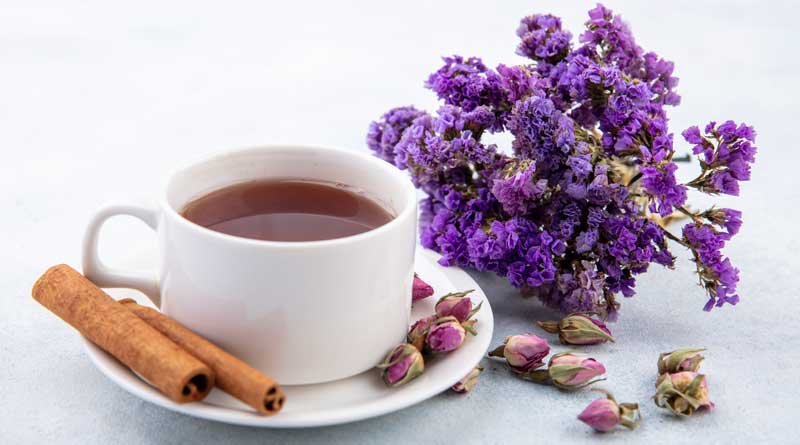
Lavender Tea
chamomile tea is a tasty herbal drink made from dried lavender flowers. People praise its soothing aroma, delicate floral scent, and healing properties. It has been used for centuries in traditional herbal medicine
The chamomile plant has recently gained popularity in contemporary wellness routines. This article explains chamomile tea in detail. It covers its advantages, benefits, and possible side effects. It also shows how to prepare it correctly.
What Is Chamomile Lavender Tea?
Chamomile tea is an herbal tea made by steeping dried lavender blossoms in hot water.
The blossoms usually come from the Lavandula angustifolia plant. As opposed to green or black tea, it is non-caffeinated, which makes it a perfect option for a relaxing evening consumption.
chamomile comes from the Mediterranean region, but growers now cultivate it widely. Aromatherapists often use its essential oil, and people value the dried buds for culinary and medicinal purposes.
Nutritional Profile of chamomile Tea
People don’t drink tea to get macronutrients or calories; they drink it for its bioactive components. They include:
- Flavonoids (antioxidants)
- Tannins
- Essential oils (like linalool, linalyl acetate and)
- Coumarins
The compounds are responsible for its anti-inflammatory, soothing, and mildly sedative effect.
Top 9 lavender Tea Benefits
1. Promotes Relaxation and Reduces Stress
A single of the well-known advantages of tea made from lavender is its soothing influence over the nerve system. The compounds interact with neurotransmitters that are present in the brain, reducing anxiety and stress levels.
The consumption of lavender tea prior to bed can
- Calm thoughts racing through your head
- Reduce fatigue from mental
- Improve mood overall
It is similar to aromatherapy but by consumption.
2. Improves Sleep Quality
Chamomile tea is frequently utilized as a natural cure for insomnia. tea’s mildly sedative qualities aid the body unwind and prepare for sleep.
Regular consumption can:
- Help you fall asleep faster
- Improve sleep duration
- Reduce nighttime awakenings
A highly popular option for people looking for organic solutions.
3. Supports Digestive Health
tea is a soothing drink for the digestive tract, and help ease discomfort.
It can aid in:
- Bloating
- Gas
- Indigestion
- Mild stomach cramps
The anti-inflammatory effects of this herb relax the intestinal muscles and increase the efficiency of digestion.
4. Relieves Headaches and Migraines
is traditionally used to ease headaches. Although lavender oil is usually inhaled but drinking the tea may aid in relieving headaches.
It could:
- Reduce tension headaches
- Reduce the symptoms of migraine
- Relax your muscles and loosen them
Its relaxing effect on the nervous system plays a crucial role in this.
5. Rich in Antioxidants
It can reduce oxidative stress in the body.
Benefits include:
- Supporting immune health
- Reducing inflammation
- Cells are protected from harm
This can help in the long run with health and preventive measures against disease.
6. May Help with Menstrual Pain
It can be used to ease cramps during menstrual cycles because of its relaxing and calming properties.
It could:
- Ease uterine contractions
- Reduce the intensity of pain
- Improve emotional balance during PMS
7. Supports Skin Health
The antioxidants and anti-inflammatory substances in this plant, It can help the skin indirectly.
Regular consumption could:
- Reduce inflammation caused by acne
- Promote clearer skin
- Assist healing processes
Lavender’s antimicrobial qualities can also aid in ensuring the health of your skin.
8. May Help Reduce Blood Pressure
A few studies suggest chamomile may moderately reduce blood pressure by calming your nervous system.
The benefit is indirect, and related to the reduction of stress.
9. Anti-inflammatory Properties
It’s a great remedy for reducing inflammation in the body. This correlates with a myriad of chronic illnesses.
This can be helpful:
- Reduce joint discomfort
- Ease muscle soreness
- Enhance overall health
Uses of Chamomile Tea
1. As a Relaxation Drink
People typically drink purple flowers tea at night to wind down after a long day. The soothing scent of chamomile tea enhances the relaxing experience.
2. Natural Sleep Aid
Instead of using medications, many people drink purple flower tea at bedtime to help them sleep better.
3. Digestive Remedy
Drinking it between meals is a good idea to avoid gastric upset and aid digestion.
4. Stress and Anxiety Management
Purple flowers tea is typically used in stressful situations to maintain emotional stability.
5. Part of Herbal Blends
People often pair purple flowers with other herbs, such as:
- Chamomile
- Mint
- Lemon balm
These blends increase the flavor as well as therapeutic effects.
6. Cold and Flu Support
Anti-inflammatory, antimicrobial qualities could aid in relieving sore throats and mild respiratory discomfort.
How to Make Lavender Tea
Making your own lavender tea is simple and requires just a few ingredients.
Ingredients:
- 1 tablespoon dried lavender buds
- 1 cup hot water 1 cup hot
- Optional: honey, lemon
Instructions:
- Boil water, then let it cool down (around 95-90degC).
- Sprinkle dried buds of lavender in a glass or teapot.
- Put hot water in the buds.
- Cover and let steep for 5-10 mins.
- Remove the tea.
- If you prefer, add lemon or honey If you prefer, add lemon or honey.
- Serve warm.
Tips for Best Results:
- Use culinary-grade lavender only
- Do not oversteep (can be bitter)
- Begin with small portions for those who are new to the taste
Variations of french lavenders Tea
1. Chamomile Tea
A powerful blend of calming to help you sleep and reduce anxiety.
2. Green Tea
It also provides antioxidants and a slight caffeine boost.
3. Lemon Tea
It is refreshing and excellent for digestion.
4. Iced Lavender Tea
The perfect summer outfit: cool, flowery and refreshing.
Side Effects of Lavender Tea
While the tea of lavender is generally considered safe but it could cause some side effects for some people.
1. Allergic Reactions
Certain people might be allergic to lavender.
It could be a sign of:
- Skin irritation
- Nausea
- Headaches
2. Hormonal Effects
Lavender could have estrogen-like effects.
This could be:
- Involved hormone-sensitive conditions
- Consider a cause for concern with young boys (in exceedingly rare cases, linked to hormonal imbalance)
3. Interaction with Medications
Lavender tea can be in contact with:
- Sedatives
- Antidepressants
- Blood pressure medication
It can increase drowsiness, or reduce efficiency.
4. Excessive Drowsiness
Because of its tranquil nature, drinking too much lavender tea can result in:
- The ability to sleep during the daytime
- A decreased alertness
5. Digestive Upset (Rare)
Consumption of too much can lead to:
- Mild nausea
- Stomach discomfort
Who Should Avoid Lavender Tea?
- Women who are pregnant or nursing (consult your doctor)
- People with hormone-sensitive disorders
- People who are taking sedatives
- People who are with a sensitivity to lavender
Recommended Dosage
- A cup or two each day is considered to be safe
- Avoid excessive consumption
Moderation is the key to reap the benefits of this product without causing any adverse negative effects.
Storage and Quality Tips
- Dry lavender can be stored inside an airtight container
- Stay clear of the sun and humidity
- Make use of it within 6-12 months to ensure the highest potency
How to Choose Good Lavender
When you buy lavender tea:
Find:
- Organic or pesticide-free labeling
- Bright purple color
- Fresh and strong.
Avoid:
- Brownish or dull buds
- Artificially scented items
Lavender Tea vs lavenders Oil
Both are derived from one plant, both are utilized in different ways:
Lavender Tea Lavender Oil Orally consumedIt is a topically applied or inhaledMild effectsHighly concentratedSafer for regular useShould be dilute
Never inhale essential oils without professional supervision.
Cultural and Historical Use
It has been used for centuries. the beginning of time:
- Romans made use of it in baths to relax
- Greeks made use of it as a medicine
- Medieval Europeans utilized it to purification
The name derives directly from Latin term “lavare,” meaning “to wash.”
Scientific Research Overview
Modern studies suggest lavender may:
- Lower anxiety levels
- Improve sleep quality
- Offer moderate pain relief
However, larger-scale clinical trials are required to establish its benefits to the fullest extent.
Final Thoughts
Lavender tea is much more than simply a refreshing herbal beverage. It’s a natural remedy that offers numerous health benefits. From reducing stress and improving sleep, to aiding digestion and overall wellness, it is a soothing, effective way. It can improve your daily routine.
Drinking lavender tea with caution is crucial. Be mindful of possible side effects, especially if you have medical conditions or take medications.
Adding a cup of lavender tea to your bedtime routine is a simple, powerful way to boost your physical and mental health.
I can suggest the best lavender tea brands in India, if you’d like. I can also share recipes for anxiety, sleep, or digestion.
About the Author