1. MCHC Blood Test Introduction
During a Complete Blood Count (CBC) test, clinicians measure Mean Corpuscular Hemoglobin (mchc blood test), an important parameter. The total quantity of hemoglobin found in one red blood cell (RBC).
Hemoglobin is an iron-rich protein in red blood cells. It carries oxygen from the lungs to tissues. It carries carbon dioxide from tissues to the lungs.
MCH aids clinicians in evaluating kinds of anemia as well as other blood-related disorders. Often interpreted with other indicators of red blood cells like:
2. What Is Hemoglobin?
Hemoglobin is a protein found inside red blood cells. It contains iron and binds oxygen in the lungs. Each hemoglobin molecule can carry four oxygen molecules.
Red blood cells are produced in the bone marrow and circulate for about 120 days. If hemoglobin production is impaired or red blood cell formation is abnormal, oxygen delivery to tissues becomes inefficient, leading to symptoms like fatigue and weakness.
MCH measures how much hemoglobin, on average, each red blood cell contains.
3. Definition of Mean Corpuscular Hemoglobin (MCH)
Mean Corpuscular Hemoglobin (MCH) is defined as:
The average weight of hemoglobin in a single red blood cell.
It is expressed in picograms (pg), where:
- 1 picogram = one trillionth of a gram (10⁻¹² grams)
4. How MCH Is Calculated
MCH is calculated using the following formula:MCH=RBCcount(millions/µL)Hemoglobin(g/dL)×10
Modern automated hematology analyzers calculate MCH automatically as part of a CBC panel.
5. Normal MCH Range
The normal reference range may vary slightly depending on the laboratory, but generally:
Normal MCH range: 27 to 33 picograms (pg) per cell
Some labs may use:
- 26–34 pg
Values outside this range may indicate underlying blood disorders.
6. Relationship Between MCH and Other RBC Indices
To properly understand MCH, it must be compared with:
a) Mean Corpuscular Volume (MCV)
MCV measures the average size of red blood cells.
- Low MCV = small cells (microcytic)
- High MCV = large cells (macrocytic)
b) Mean Corpuscular Hemoglobin Concentration (MCHC)
MCHC measures the concentration of hemoglobin inside red blood cells.
- MCH = total hemoglobin per cell
- MCHC = concentration of hemoglobin in cell volume
c) Hemoglobin and Hematocrit
MCH is derived from total hemoglobin and RBC count.
Together, these values help classify anemia into:
- Microcytic anemia
- Normocytic anemia
- Macrocytic anemia
7. Why Is the MCH Test Done?
MCH is tested as part of a Complete Blood Count (CBC). A CBC is commonly ordered to:
- Evaluate fatigue or weakness
- Investigate pallor (pale skin)
- Assess shortness of breath
- Monitor chronic diseases
- Detect anemia
- Monitor nutritional deficiencies
- Evaluate blood loss
- Monitor chemotherapy patients
- Check infection or inflammation
8. Conditions Associated with Low MCH
Low MCH indicates that each red blood cell contains less hemoglobin than normal. This is usually associated with microcytic anemia.
Causes of Low MCH:
1. Iron Deficiency Anemia
The most common cause worldwide. Iron is necessary for hemoglobin production. Without sufficient iron, RBCs contain less hemoglobin.
Common causes:
- Poor diet
- Chronic blood loss (heavy menstruation)
- Gastrointestinal bleeding
- Pregnancy
2. Thalassemia
A genetic disorder affecting hemoglobin production.
Example:
- Thalassemia
In thalassemia, hemoglobin synthesis is abnormal, leading to low MCH and low MCV.
3. Chronic Disease Anemia
Long-term inflammatory conditions may reduce iron utilization.
4. Lead Poisoning
Interferes with hemoglobin production.
9. Symptoms of Low MCH
Symptoms usually relate to anemia and may include:
- Fatigue
- Weakness
- Pale skin
- Dizziness
- Shortness of breath
- Cold hands and feet
- Headaches
- Brittle nails
Severe cases may cause heart palpitations or chest pain.
10. Conditions Associated with High MCH
High MCH means red blood cells contain more hemoglobin than normal. This is often linked to macrocytic anemia.
Causes of High MCH:
1. Vitamin B12 Deficiency
Vitamin B12 is necessary for DNA synthesis in RBC production.
Deficiency leads to larger RBCs with more hemoglobin.
2. Folate Deficiency
Folate deficiency also causes macrocytic anemia.
3. Liver Disease
Liver dysfunction can affect RBC morphology.
4. Hypothyroidism
Reduced thyroid hormone levels may alter RBC production.
5. Alcoholism
Chronic alcohol use may result in macrocytosis and elevated MCH.
11. Symptoms of High MCH
Symptoms depend on the underlying cause and may include:
- Fatigue
- Weakness
- Memory problems
- Tingling in hands/feet (B12 deficiency)
- Jaundice (liver disease)
- Glossitis (inflamed tongue)
12. How the MCH Test Is Performed
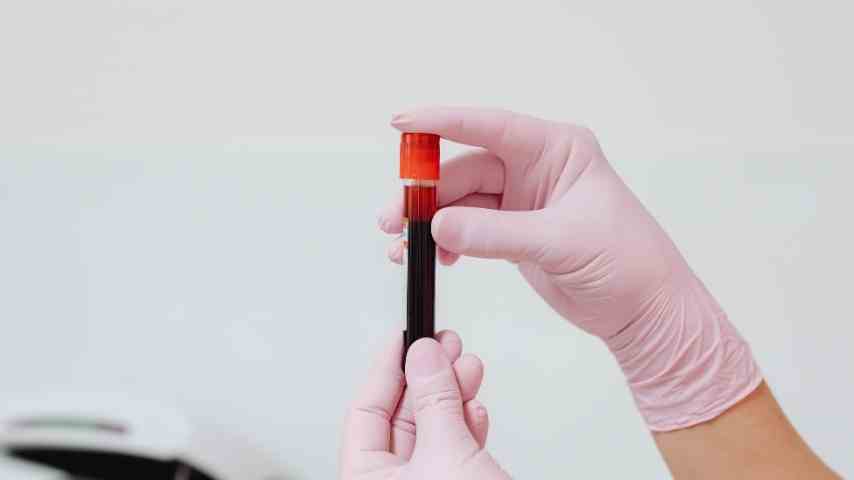
The MCH value is obtained through a Complete Blood Count (CBC) test.
Procedure:
- A healthcare professional cleans the skin.
- A needle is inserted into a vein (usually in the arm).
- Blood is collected into a tube.
- The sample is analyzed using an automated hematology analyzer.
- Results are usually available within hours to one day.
13. Preparation for the Test
In most cases:
- No special preparation is required.
- Fasting is usually not necessary.
- Inform your doctor about medications or supplements.
Some medications may influence RBC indices.
14. Risks of the Test
The CBC is a routine and safe blood test.
Possible minor risks:
- Slight pain at needle site
- Bruising
- Lightheadedness
- Rare infection
15. Interpretation of MCH Results
MCH alone does not confirm a diagnosis. Doctors evaluate:
- MCH
- MCV
- MCHC
- Hemoglobin
- Hematocrit
- RDW
- Clinical symptoms
- Medical history
Interpretation Patterns:
| MCH Level | MCV | Possible Condition |
|---|---|---|
| Low MCH | Low MCV | Iron deficiency anemia |
| Low MCH | Normal MCV | Early iron deficiency |
| High MCH | High MCV | Vitamin B12 deficiency |
| Normal MCH | Normal MCV | Normocytic anemia |
16. MCH in Different Age Groups
Adults
Standard reference range: 27–33 pg
Children
Ranges vary slightly depending on age.
Pregnant Women
Iron deficiency is common; MCH may decrease.
17. MCH vs. MCHC – Key Differences
| Feature | MCH | MCHC |
|---|---|---|
| Measures | Hemoglobin amount per cell | Hemoglobin concentration |
| Unit | Picograms | g/dL |
| Influenced by cell size? | Yes | Less affected |
MCH increases when RBC size increases (macrocytosis).
18. Clinical Importance of MCH
MCH is essential in:
- Diagnosing anemia type
- Monitoring iron therapy
- Detecting vitamin deficiencies
- Evaluating chronic disease impact
- Preoperative assessment
- Routine health screening
It helps guide treatment decisions such as:
- Iron supplementation
- Vitamin B12 injections
- Folate therapy
- Blood transfusion (if severe anemia)
19. Treatment Based on Abnormal MCH
Treatment depends on the underlying cause.
For Low MCH:
- Iron supplements
- Dietary iron increase (red meat, spinach, legumes)
- Treat bleeding source
- Genetic counseling (for thalassemia)
For High MCH:
- Vitamin B12 supplementation
- Folate supplements
- Thyroid hormone therapy
- Treat liver disease
- Reduce alcohol intake
20. Prevention of Abnormal MCH
Preventive measures include:
- Balanced diet rich in iron, B12, and folate
- Regular health check-ups
- Managing chronic diseases
- Prenatal vitamins during pregnancy
- Screening for genetic disorders in high-risk populations
21. When to See a Doctor
Seek medical evaluation if you experience:
- Persistent fatigue
- Pale skin
- Shortness of breath
- Unexplained weight loss
- Numbness or tingling
- Heavy menstrual bleeding
Early detection of abnormal MCH can prevent complications.
22. Summary
Mean Corpuscular Hemoglobin (MCH) is an important red blood cell index that measures the average amount of hemoglobin in each red blood cell. It is part of the Complete Blood Count (CBC) and plays a critical role in diagnosing and classifying anemia.
- Normal range: 27–33 pg
- Low MCH: Often due to iron deficiency or thalassemia
- High MCH: Often due to vitamin B12 or folate deficiency
MCH must always be interpreted in combination with other blood parameters and clinical findings. Although it is a simple laboratory value, it provides valuable insights into oxygen-carrying capacity and overall hematologic health.
About the Author